





Develop a testable platform for zero-g research
Develop an experimental platform for testing thrombolysis and other hematologic research questions in zero gravity, with ground testing to support repeatable experiments.

CAN-RGX 2025–26 · Canadian Space Agency
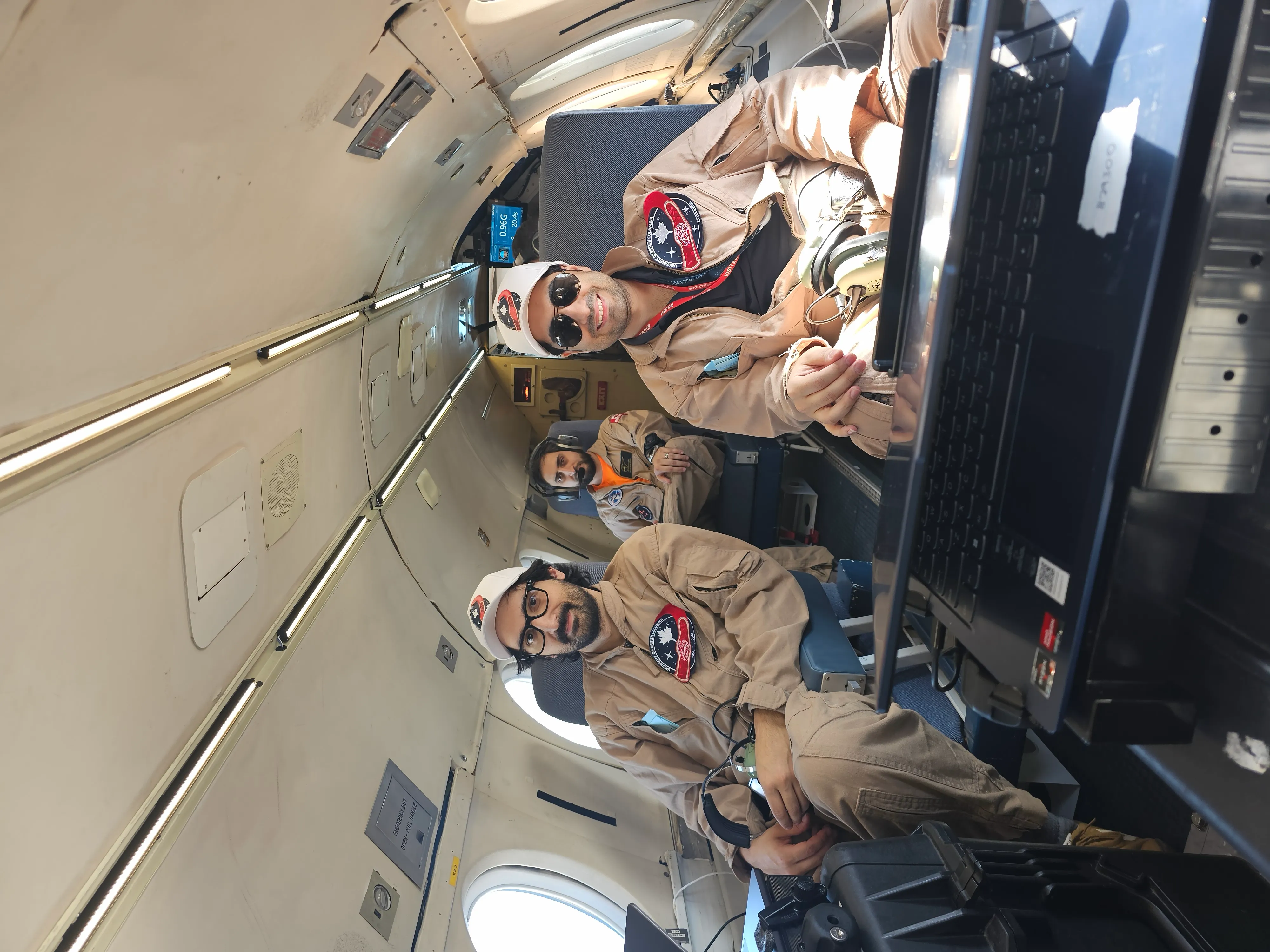
Team CLOT-LESS is developing an experimental platform to study thrombolysis and other hematologic research questions in zero gravity.
12
Parabolas
Across two flight days
20 s
Microgravity window
Per parabola
8
Microfluidic channels
4 drug, 4 saline control
13.3 kg
Payload mass
70.5% margin
Develop an experimental platform for testing thrombolysis and other hematologic research questions in zero gravity, with ground testing to support repeatable experiments.
Measure the differential pressure change across a clot-containing microchannel during tenecteplase perfusion, in microgravity and at 1 g, over matched twenty-second analysis windows.
Confirm that the integrated fluidic, sensing and logging system behaves consistently across repeated parabolas — to support repeatable hematologic experiments in reduced gravity.
Translate the findings into peer-reviewed output and into classrooms — because a result that stays inside the team does not advance the field or the next generation working in it.
MD Student, PharmD, BSc
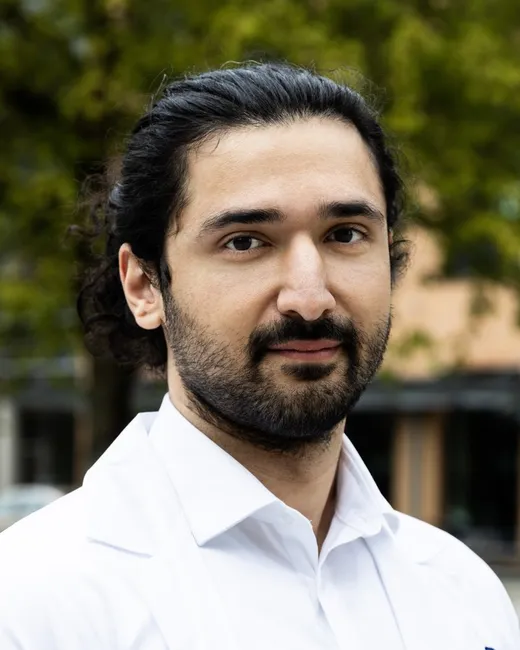
Fourth-year MD student
UBC Faculty of Medicine — Island Medical Program

PharmD, BSc
PharmD graduate
UBC Faculty of Pharmaceutical Sciences
MD, Anesthesiologist
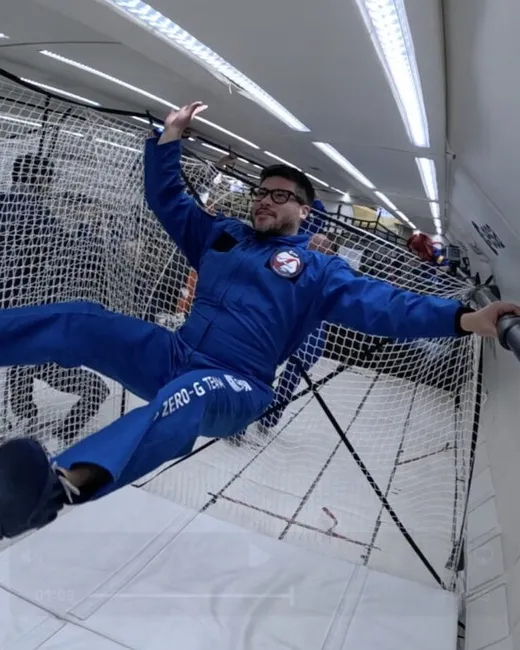
Principal Investigator, clinical UBC faculty
UBC — Department of Anesthesiology, Pharmacology & Therapeutics
MD Student, HBSc
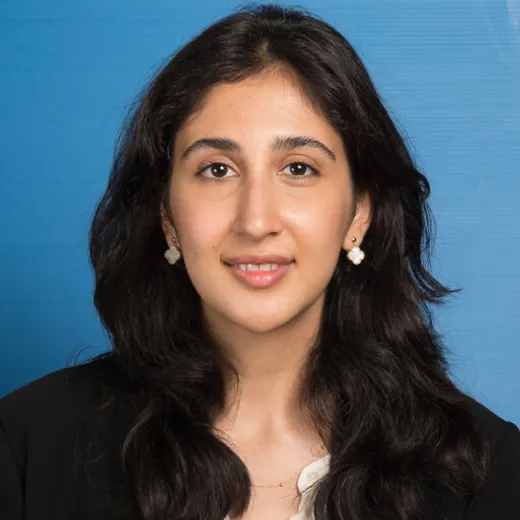
Third-year MD student
UBC Faculty of Medicine — Vancouver-Fraser Medical Program

MD, MASc, P.Eng
Second-year anesthesia resident
University of Toronto — Department of Anesthesia and Pain Medicine